


Plumbing Winterization Services for DFW Homes
North Texas may not experience long winters, but when cold fronts hit, they hit fast—and often catch homeowners off guard. Sudden overnight freezes can burst pipes, shut down water lines, damage water heaters, and create thousands of dollars in repairs within hours. At DFW Plumber and DFWplumber.com, we provide complete plumbing winterization services to protect your home before temperatures drop.
This page covers everything you need to know about winterizing your home’s plumbing system, including freeze protection, outdoor line prep, pipe insulation, appliance safety steps, and what to expect from a professional winterization service.
Why Winterization Matters in North Texas
DFW’s freeze patterns are unpredictable. Homes here are often built without the same insulation standards used in northern states, making plumbing especially vulnerable. Pipes in attics, exterior walls, garages, crawlspaces, and outdoor structures can freeze quickly.
Winterization helps prevent:
- Burst pipes from expanding ice inside the tubing
- Slab leaks caused by pressure buildup in hot and cold lines
- Water heater damage or heating element burnout
- Flooding under sinks or behind walls
- Expensive emergency repairs during peak freeze events
What’s Included in DFW Plumber’s Winterization Service
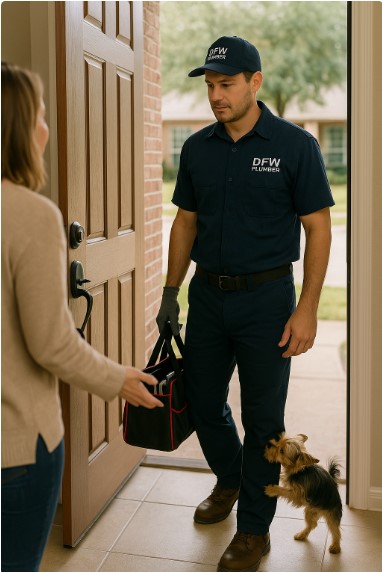
Our winterization process is customized to the design and age of your home. Homes built before the 1990s often need additional insulation and valve updates. Here’s what our technicians typically inspect and protect:
- Outdoor hose bibs: Insulation, frost-proof cover checks, valve testing and freeze-rated protection.
- Exposed water lines: Attic, garage, crawlspace, patio, and exterior-wall pipe insulation.
- Under-sink plumbing: Insulation, cold-air seal checks, leak checks and shut-off valve inspection.
- Water heater prep: Insulation blankets (if needed), drain-pan checks and freeze-risk evaluation.
- Whole-home shut-off test: Ensures the main valve operates properly in case of emergency.
- Slab leak risk assessment: Identifies vulnerable hot-water loops or high-pressure areas.
- Exterior access points: Sealing gaps that allow cold wind into cabinets, walls or attics.
DIY Winterization Tips Before a Freeze
Although professional winterization provides the best protection, homeowners can take easy precautions during unexpected freezes:
- Drip faucets—especially on exterior walls.
- Open all under-sink cabinets to allow warm air to circulate.
- Disconnect hoses from all outdoor faucets.
- Use insulated faucet covers whenever temps drop near 32°F.
- Let interior doors stay open to promote warm airflow.
- Keep garage doors closed to protect water heaters and pipes located inside.
- Know the location of your main shutoff valve in case a pipe bursts.
Winterizing Vacant or Rental Properties
If a home will be empty during winter weather, additional steps are required. DFW Plumber provides full vacant-home winterization including:
- Shutting off main water supply
- Draining water lines to prevent pressure buildup
- Flushing or shutting down water heaters
- Adding freeze protection to traps and drains
- Ensuring outdoor plumbing lines are fully isolated
Vacant homes are at the highest risk for catastrophic winter damage because no one is present to catch leaks early.
Signs Your Plumbing Is Not Properly Winterized
Call DFW Plumber if you notice any of the following before or during a freeze:
- Frost buildup on pipes in the attic or garage
- Condensation or dripping under sinks
- Weak water pressure during cold weather
- Whistling or vibrating pipes
- Hot water fluctuating or cutting out
These symptoms often indicate cold exposure or early freeze formation inside your lines.
Frequently Asked Questions
Do I need winterization every year?
You only need a full winterization service if you’ve had plumbing upgrades, insulation changes, new appliances installed, or if your home has known freeze-vulnerable areas. A quick annual inspection is usually enough.
Is dripping faucets really necessary?
Yes—during hard freezes. Running water relieves pressure inside cold pipes and prevents rupture. Dripping one hot and one cold fixture is usually sufficient for protection.
Will leaving cabinet doors open really help?
Absolutely. It allows warm room air to reach the plumbing under sinks, preventing cold spots and pressure buildup in PEX, copper or PVC lines.
Do tankless water heaters need winterization?
Yes. Tankless units have sensitive internal components and flow sensors that can freeze. Many modern units have freeze-protection modes, but exterior installations still require insulation and proper drainage.
What if my pipe freezes but hasn’t burst?
Turn off the water main immediately, open faucets, and call a professional. Thawing pipes incorrectly (with heat guns, open flames, or space heaters) can cause burst lines or fire hazards.
How do I protect exterior-wall plumbing?
We locate cold-air intrusion points, add insulation behind plumbing, insulate the lines directly, and ensure cabinets are sealed properly around pipe penetrations.
Should I winterize my irrigation system too?
Irrigation systems require their own freeze prep. While not part of typical indoor plumbing winterization, many homeowners combine both services during the same visit.
Can DFW Plumber help after pipes have already burst?
Yes. We provide emergency burst pipe repair, slab leak services, and repiping solutions. Winterization greatly reduces the risk—but if damage occurs, we can repair and restore your plumbing quickly.
For professional plumbing winterization, freeze protection, and cold-weather preparation across Dallas–Fort Worth, trust DFW Plumber. Visit DFWplumber.com to schedule a winterization appointment before the next cold front hits.
Home Plumbing Winterization
